


Key Highlights:
-
Longevity gives the model credibility. WSI’s 30-year history shows a consulting network that has adapted as technology and client expectations have changed.
-
Industry experience is not the only starting point. Neal entered WSI without direct experience in sales, marketing, or technology, but brought the openness and discipline to learn within a proven model.
-
Adaptability keeps consulting relevant. WSI’s evolution from websites to digital strategy and AI advisory helped Neal keep learning as the market changed.
-
Collaboration gave Neal practical support. He credits the WSI home office, fellow consultants, and mentor Doug Schust with helping him gain confidence in a business and industry that were new to him.
-
People became the real advantage. For Neal, WSI’s strength came from the people around him, their speed of learning, and their willingness to change.
-
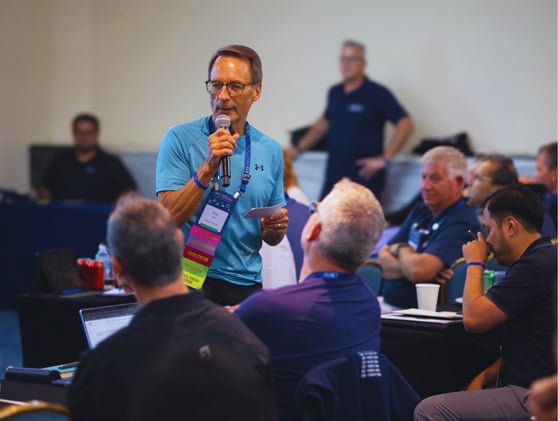
Knowledge moves through the network. Neal’s role as a trainer shows how experience gets passed forward.
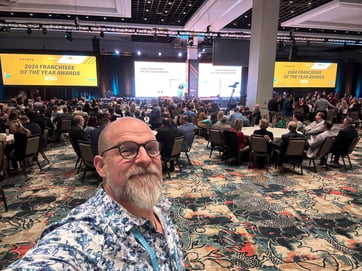
Three decades of change have shaped both WSI and the consultants who have grown with it. Neal Lappe is one of them.
The WSI global network has adapted through major shifts in digital business, moving from early website development to digital strategy and now AI advisory. Through that evolution, WSI has stayed focused on helping consultants evolve from digital marketing into digital strategy and now AI advisory.
Neal Lappe has seen that evolution from inside the network. Based in Richmond, Virginia, he has spent 21 years with WSI, earned Top Gun recognition, and supported others as a trainer and mentor. His story shows how experience and commitment can become stronger inside a network shaped by learning, mentorship, and shared standards.
What Support Looks Like at the Starting Line
Neal came to WSI after being downsized from a corporate role. He was entering a new business and a new industry without experience in sales, marketing, or technology.
What he brought was openness, discipline, and a willingness to learn.
“Coming to WSI over 20 years ago after being downsized from a cushy corporate gig brought many mixed emotions: excitement, intrigue, anxiety, fear, and uncertainty. My emotional state at that point in time can be described with one word: survival,” Neal says.
That starting point is what makes Neal's story credible. He wasn't trying to recreate the career he had left behind. He was learning how to apply decades of business experience in an entirely new field, supported by training, peer guidance, and a global consulting network.
Many experienced professionals face a similar question: Can the experience I've built over my career translate into consulting? Neal's story suggests it can, but not by relying on past experience alone. It takes openness, a willingness to learn, and a model designed to help experienced leaders apply what they already know in new ways.
How a Network Helps Experience Translate
Neal’s progress with WSI came from more than persistence. The model gave him training, peer guidance, and people he could learn from as he built in an unfamiliar industry.
He credits the WSI home office team, fellow consultants, and mentor Doug Schust with helping him move through those early years. Their guidance gave him practical answers, perspective, and confidence in a business and industry that were new to him.
That collaboration is part of how WSI works. Consultants own their practices, but they have access to shared frameworks, experienced peers, and people who have already worked through similar client and business decisions.
That kind of structure can make the transition feel more grounded for experienced professionals. They can lead their own consulting practice while drawing on the knowledge, standards, and perspective of a global network.
Staying Relevant as the Market Changed
When Neal joined WSI 21 years ago, the network’s work was focused largely on websites. Since then, WSI has expanded into digital marketing, broader strategy, and now digital and AI advisory.
Neal describes the lesson this way:
“The greatest competitive advantages any organization has are the quality of the people, the speed with which they learn, and their ability to evolve and change.”
That lesson matters for anyone considering a move into consulting. Digital and AI consulting requires people who can keep learning, judge what matters, and help clients make sound decisions as technology changes.
WSI approaches that work through peer knowledge, practical discussion, and a disciplined approach to new capabilities. New technologies are assessed before they become part of the consulting model, so consultants can focus on guidance that has clear business value.
Neal didn’t have to rebuild around each new shift; he had a network helping him understand where to focus next.
What Collaboration Makes Possible
Neal’s view of people changed as he worked with WSI’s home office, fellow consultants, and mentors. He came to value the different strengths people bring, and to see those differences as part of what makes the network useful.
That perspective shaped the way he worked with others and later became part of how he served the network as a trainer and mentor.
In a long-standing consulting network, experience becomes more valuable when it is passed on. Consultants who once needed guidance become people others can call for perspective, and lessons from one market can help another consultant make a better decision.
Professionals considering a move into digital and AI consulting should pay close attention to the people around the model. A strong network gives consultants access to experience they would not have on their own, helping them learn with stronger context and support.
What Experienced Professionals Can Take from Neal’s Story
Neal’s experience gives leaders a practical point of reference. Career experience becomes more useful when the model helps turn it into client conversations, strategic judgment, and ownership decisions.
He did not begin with technical expertise. He learned the business through WSI’s training, peer network, and guidance from people who had already built consulting practices.
The lesson for experienced professionals is clear. Consulting ownership asks leaders to apply their judgment differently: in client conversations, business decisions, and practical guidance shaped by digital and AI change.
That work requires learning, adaptability, and the willingness to rely on others when the path is new. Inside WSI’s strategy-first digital and AI consulting network, those qualities can help experienced leaders approach consulting with more focus, practical structure, and perspective.
When Experience Meets the Right Model
Neal Lappe’s 21 years with WSI were not built on persistence alone. He had training, experienced peers, and a network of consultants willing to share what they had learned.
WSI’s 30-year history follows the same pattern. The network moved from websites to digital marketing, then strategy, and now AI advisory by relying on strong people, fast learning, and the discipline to change when client needs changed.
Today, consultants also leverage WSI's Business Strategy Framework and AI advisory methodologies to help organizations make confident strategic decisions.
Neal’s story will not mirror every consultant’s path. But it does show how experience, learning, and the right network can help professionals enter consulting without starting from zero.
If you're an experienced executive, consultant, or business leader exploring what's next, a conversation with WSI can help you evaluate whether this consulting model aligns with your experience, leadership style, and long-term aspirations.